




AI Assisted Learning for Students: The Future of Smart Education
Introduction
Education is changing rapidly, and technology is becoming an important part of every student’s learning journey. One of the biggest innovations in modern education is AI assisted learning for students. Artificial Intelligence (AI) is helping students learn faster, understand difficult concepts easily, and improve their academic performance through personalized learning experiences.
From intelligent tutoring systems and AI-powered study apps to automated assessments and virtual classrooms, AI is transforming traditional education into a smarter and more interactive experience. Whether students are in school, college, or preparing for competitive exams, AI tools can provide customized guidance and support.
In this article, we will explore how AI-assisted learning works, its benefits, challenges, and why it is becoming essential in today’s education system.
What is AI Assisted Learning for Students?
https://www.studyfetch.com/AI assisted learning for students refers to the use of artificial intelligence technologies to support and improve educational experiences. AI systems analyze student behavior, learning patterns, strengths, and weaknesses to provide personalized educational content.
Unlike traditional teaching methods where every student follows the same pace, AI enables customized learning experiences according to individual needs.
Examples of AI-assisted learning include:
- AI-powered tutoring platforms
- Smart educational chatbots
- Personalized learning applications
- Automated grading systems
- Virtual learning assistants
- Adaptive learning software
These technologies make learning more engaging, efficient, and accessible.
Why AI is Important in Modern Education
Technology has become an essential part of education, and AI is leading this transformation. Modern students face numerous challenges, including information overload, lack of personalized attention, and varying learning speeds.
AI helps solve these problems by offering:
Personalized Learning Experiences
Every student learns differently. AI systems identify the strengths and weaknesses of each student and provide customized study materials accordingly.
24/7 Learning Support
Unlike traditional classrooms, AI tools are available anytime. Students can ask questions, solve problems, and access educational resources whenever they need assistance.
Improved Engagement
https://annuthakur.online/wp-admin/post-new.phpInteractive learning experiences through quizzes, games, and virtual simulations make education more interesting and enjoyable.
Benefits of AI Assisted Learning for Students
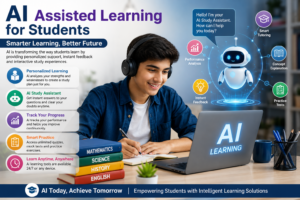 1. Personalized Education
One of the biggest advantages of AI-assisted learning is personalized education.
AI algorithms analyze:
- Learning speed
- Subject preferences
- Weak areas
- Performance history
Based on this information, AI recommends specific lessons and study plans.
This helps students learn more effectively and achieve better academic results.
2. Better Understanding of Complex Subjects
Subjects like mathematics, science, coding, and engineering can sometimes be difficult for students.
AI-powered platforms use:
- Interactive videos
- Step-by-step explanations
- Visual simulations
- Practice exercises
These features make complicated topics easier to understand.
3. Instant Feedback and Assessment
Traditional assessments often take time.
AI systems can instantly evaluate:
- Assignments
- Quizzes
- Homework
- Practice tests
Immediate feedback helps students identify mistakes and improve quickly.
4. Increased Student Engagement
AI makes learning more interactive through:
- Educational games
- Virtual classrooms
- AI tutors
- Interactive quizzes
Gamified learning environments motivate students to stay focused and enjoy studying.
5. Time Management and Productivity
AI tools help students organize their study schedules by:
- Setting reminders
- Creating personalized timetables
- Tracking progress
- Managing assignments
This improves productivity and reduces academic stress.
6. Accessibility for All Students
AI-assisted learning makes education accessible to students worldwide.
Students with disabilities can benefit from:
- Speech recognition tools
- Text-to-speech software
- Language translation systems
- Smart accessibility features
This creates an inclusive learning environment.
How AI Assisted Learning Works
AI systems collect and analyze educational data to improve learning experiences.
The process generally includes:
Data Collection
AI gathers information about:
- Student performance
- Study habits
- Quiz scores
- Learning preferences
Data Analysis
Machine learning algorithms identify patterns and learning behaviors.
Personalized Recommendations
Based on the analysis, AI suggests:
- Specific lessons
- Practice questions
- Study materials
- Learning strategies
This continuous process helps students improve over time.
Popular Applications of AI in Education
AI Tutoring Systems
AI tutors provide one-on-one guidance similar to human teachers.
They help students by:
- Answering questions instantly
- Explaining concepts
- Recommending exercises
- Tracking learning progress
Smart Chatbots
Educational chatbots assist students in finding information and solving doubts quickly.
They are especially useful for online learning environments.
Adaptive Learning Platforms
Adaptive learning platforms automatically adjust content difficulty according to student performance.
This ensures that students are neither overwhelmed nor bored.
Automated Grading Systems
AI can evaluate assignments and tests quickly and accurately, reducing teachers’ workload.
AI Assisted Learning for Different Educational Levels
For School Students
AI helps school students by providing:
- Interactive lessons
- Homework assistance
- Personalized exercises
- Educational games
For College Students
College students can use AI for:
- Research assistance
- Note generation
- Project support
- Coding help
For Competitive Exam Preparation
AI platforms help students preparing for exams by offering:
- Mock tests
- Performance analysis
- Personalized study plans
- Weakness identification
Advantages of AI Assisted Learning Over Traditional Education
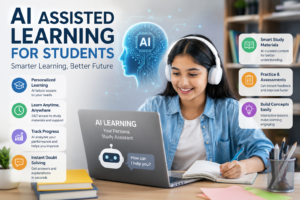
| Traditional Learning | AI Assisted Learning |
|---|---|
| Same content for everyone | Personalized content |
| Limited classroom hours | 24/7 accessibility |
| Slow feedback | Instant feedback |
| Manual assessments | Automated assessments |
| Limited engagement | Interactive experiences |
This comparison clearly shows why AI is become.
Challenges of AI Assisted Learning
Although AI offers many advantages, there are some challenges.
Lack of Human Interaction
Teachers provide emotional support and motivation that AI cannot fully replace.
Privacy Concerns
AI systems collect large amounts of student data, raising privacy and security concerns.
Technology Dependency
Excessive dependence on AI may reduce critical thinking and problem-solving abilities.
High Implementation Costs
Advanced AI technologies may require significant investment, making them difficult for some institutions to adopt.
The Future of AI Assisted Learning for Students
The future of education is strongly connected with artificial intelligence.
Upcoming developments may include:
Virtual Reality Learning
Students may experience immersive classrooms using AI and virtual reality technologies.
Advanced Personalized Education
AI systems will become even better at understanding student needs and creating highly customized learning experiences.
Intelligent Career Guidance
AI may help students choose suitable career paths based on their skills and interests.
Smart Classrooms
Future classrooms could integrate AI, augmented reality, and data analytics to create more effective learning environments.
Best Practices for Students Using AI Learning Tools
To get maximum benefits from AI-assisted learning, students should:
- Use AI as a learning assistant rather than replacing teachers.
- Verify information from reliable educational sources.
- Maintain balance between technology and traditional study methods.
- Focus on developing critical thinking skills.
- Use AI tools responsibly and ethically.
Conclusion
AI assisted learning for students is revolutionizing education by making learning more personalized, accessible, and engaging. Artificial intelligence helps students understand difficult subjects, receive instant feedback, manage study schedules, and improve academic performance.
While AI cannot completely replace human teachers, it can significantly enhance educational experiences and support students in achieving their goals. As technology continues to evolve, AI-powered learning systems will become even more advanced and play a crucial role in shaping the future of education.
Students, educators, and institutions that embrace AI technologies today will be better prepared for the rapidly changing educational landscape of tomorrow.